Choosing the perfect bathtub is one of the most important decisions in a bathroom renovation. Beyond simple functionality, your tub defines the visual style, comfort level, and even the value of your space. Two of the most popular options today are freestanding tubs and built-in tubs. Each offers unique advantages, and the right choice depends on your bathroom size, budget, lifestyle, and design goals.
In this guide, we’ll break down the key differences between freestanding and built-in bathtubs so you can confidently choose the one that fits your home and daily routine.
What Is a Freestanding Tub?
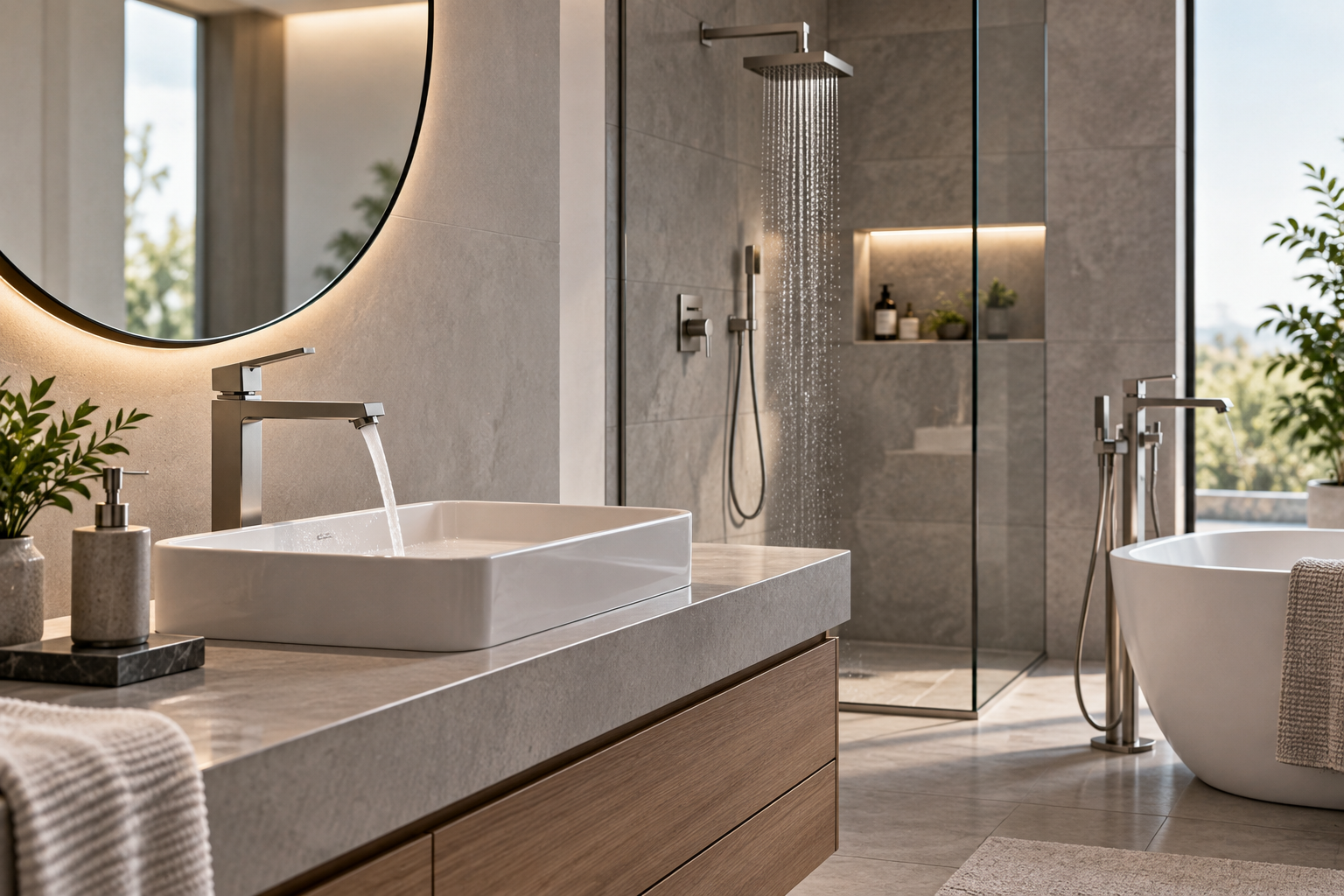
A freestanding tub is a standalone bathtub that is not attached to walls or enclosed within a frame. It typically becomes the centerpiece of the bathroom and is often associated with luxury and spa-inspired design.
Freestanding tubs come in various styles:
Modern oval acrylic designs
Sleek minimalist silhouettes
Traditional clawfoot tubs
Contemporary sculptural shapes
They are usually installed with a floor-mounted or wall-mounted tub filler, giving the space a clean and elegant appearance.
Advantages of Freestanding Tubs
1. Strong Visual Impact
Freestanding tubs instantly elevate a bathroom’s aesthetic. They create a luxurious, high-end feel and often increase perceived property value.
2. Flexible Placement
Unlike built-in tubs, freestanding models can be positioned almost anywhere—near a window, centered in the room, or as a dramatic focal point.
3. Deep Soaking Experience
Many freestanding tubs are designed with greater depth, allowing for a more immersive and relaxing bath.
Considerations Before Choosing a Freestanding Tub
Requires more floor space
Plumbing may need adjustments
Cleaning around the tub can require extra effort
Often higher cost compared to built-in options
Freestanding tubs work best in medium to large bathrooms where space allows the tub to “breathe.”
What Is a Built-In Tub?
A built-in tub (also called an alcove tub or drop-in tub) is installed against one or more walls and often surrounded by tile or a finished deck. This is the most common type of bathtub in Canadian homes.
Built-in tubs are highly versatile and can include:
Advantages of Built-In Tubs
1. Space Efficiency
Built-in tubs are ideal for smaller bathrooms because they utilize wall space efficiently.
2. Budget-Friendly
Installation costs are generally lower, especially when replacing an existing tub in the same location.
3. Practical for Families
If you have children or prefer a shower-tub combo, built-in models offer more practical everyday use.
4. Easier Cleaning
Because they are enclosed on one or more sides, cleaning around the tub is simpler.
Considerations Before Choosing a Built-In Tub
Less dramatic visual appeal
Fixed placement against walls
Typically shallower than freestanding tubs
Built-in tubs are a smart choice for functional, family-oriented bathrooms.
Design Comparison: Style vs Function
Freestanding tubs prioritize style and luxury. They make a bold design statement and are often featured in spa-inspired bathroom renovations.
Built-in tubs focus more on functionality and efficiency. They are practical, compact, and highly adaptable to different layouts.
If your renovation goal is to create a luxury retreat, freestanding may be the better choice. If maximizing space and budget is the priority, built-in tubs are highly effective.
Installation and Plumbing Differences
Freestanding tubs often require floor plumbing adjustments. The drain and water supply must align precisely with the tub’s placement. This can increase installation complexity and cost, particularly in remodels.
Built-in tubs are usually easier to install, especially if replacing an existing alcove tub. Plumbing connections remain within the wall, reducing structural changes.
If you’re renovating an older bathroom, built-in tubs may offer a smoother installation process.
🛁 Planning a Bathroom Upgrade?
Explore premium freestanding and built-in bathtubs designed for modern Canadian homes. Whether you’re creating a spa-like retreat or a practical family space, discover durable, stylish options that match your renovation goals.
Cost Comparison
While prices vary depending on materials and features, here’s a general overview:
Freestanding Tubs
Built-In Tubs
If budget is tight, built-in tubs offer excellent value. However, investing in a freestanding tub can significantly enhance long-term resale appeal.
Which Is Better for Small Bathrooms?
In compact bathrooms, built-in tubs typically win. They maximize available wall space and allow room for additional storage or shower integration.
Freestanding tubs can work in small bathrooms, but only if the layout is carefully planned and sufficient clearance space is maintained.
Comfort and Soaking Experience
Freestanding tubs often provide deeper soaking depth and ergonomic shapes designed for relaxation. Many models cradle the body and provide a more immersive experience.
Built-in tubs vary in depth. Standard models may be shallower, but deep soaking versions are available if relaxation is your priority.
Maintenance and Durability
Both tub types are commonly made from high-quality acrylic, which is durable, easy to clean, and resistant to stains.
Freestanding tubs require cleaning around the base and backside, which can take extra effort.
Built-in tubs are easier to maintain because surrounding tile and walls reduce exposed surfaces.
Final Decision: Which One Is Right for You?
Choose a freestanding tub if:
You want a dramatic focal point
Your bathroom has ample space
You prioritize luxury and design
Choose a built-in tub if:
There is no universal “better” option—it depends entirely on your space, budget, and lifestyle.
✨ Ready to Choose the Perfect Bathtub?
Browse our collection of freestanding and built-in bathtubs to find the ideal fit for your renovation. Upgrade your bathroom with modern designs, durable construction, and comfort-focused features built for everyday living.
Frequently Asked Questions (FAQ)
1. Are freestanding tubs more expensive than built-in tubs?
Yes, freestanding tubs generally cost more due to their design and potential plumbing adjustments.
2. Can I install a freestanding tub in a small bathroom?
It is possible, but careful planning is required to maintain proper clearance and visual balance.
3. Which bathtub type adds more resale value?
Freestanding tubs often add greater visual appeal, which can positively influence resale value in modern homes.
4. Are built-in tubs outdated?
Not at all. Built-in tubs remain highly practical and are widely used in contemporary renovations.
5. Which tub is easier to clean?
Built-in tubs are typically easier to clean because they are enclosed on one or more sides.
This kitchen sink buying guide breaks down everything you need to know—from stainless steel quality to design styles and practical features—so you can confidently select a sink that fits both your lifestyle and your kitchen aesthetic.
Why the Right Kitchen Sink Matters
The kitchen sink is one of the most frequently used fixtures in your home. From food preparation to cleaning and entertaining, it must withstand daily wear while remaining easy to maintain and visually appealing.
Canadian homeowners typically look for:
Making the right choice upfront saves money, reduces frustration, and enhances the overall kitchen experience.
Stainless Steel Kitchen Sinks: The Preferred Choice
Stainless steel remains the most popular material for kitchen sinks in Canada—and for good reason. High-quality stainless steel sinks are durable, hygienic, and adaptable to a wide range of kitchen designs.
What to Look for in Stainless Steel
Gauge thickness: Lower gauge numbers (16–18 gauge) indicate thicker steel, better durability, and reduced noise
Finish: Brushed or satin finishes hide scratches better than polished steel
Sound insulation: Premium sinks include undercoating or padding to reduce noise
Well-designed stainless steel sinks offer an ideal balance of performance and modern aesthetics.
Design Styles for Modern Kitchens
Kitchen sink design has evolved significantly in recent years. Today’s sinks are designed not just for function, but as integral elements of modern kitchen design.
Popular Sink Styles in Canada
Undermount sinks: Create a clean, seamless look and make countertop cleaning easier
Single-bowl sinks: Ideal for large cookware and minimalist kitchens
Double-bowl sinks: Great for multitasking and traditional workflows
Workstation sinks: Feature integrated accessories like cutting boards and drying racks
Brands such as Bosco are known for clean, modern sink designs that complement contemporary cabinetry, while Franke offers versatile configurations with a strong focus on innovation and usability.
✨ Not sure which kitchen sink is right for your home?
Explore Aquarina’s collection of premium stainless steel kitchen sinks and find a design that matches your kitchen and lifestyle.
Functionality: Features That Make a Difference
Beyond appearance, functionality is what truly defines a great kitchen sink. Modern sinks are designed to improve efficiency and comfort during everyday use.
Key functional features include:
Deep bowls for handling large pots and pans
Rounded or tight corners depending on cleaning preference
Integrated accessories such as grids, colanders, and cutting boards
Drain placement that maximizes usable space
Workstation sinks, in particular, are becoming increasingly popular in Canadian kitchens because they streamline food prep and reduce countertop clutter.
Noise Reduction and Daily Comfort
One of the most overlooked aspects of a kitchen sink is noise. Thin or poorly constructed sinks can amplify sound from running water and dishes.
High-quality sinks use:
These features significantly reduce noise and make the kitchen more comfortable—especially in open-concept homes.
Matching the Sink to Your Kitchen Layout
When choosing a kitchen sink, consider how it fits into your overall layout. Factors such as cabinet size, countertop material, and faucet style all play a role.
For modern kitchens:
Undermount sinks pair well with quartz and stone countertops
Single-bowl sinks suit minimalist layouts
Workstation sinks benefit larger islands and open spaces
Selecting a sink that complements your kitchen layout ensures both visual harmony and practical efficiency.
Long-Term Value and Maintenance
A premium kitchen sink is an investment. Choosing a trusted brand with strong construction and reliable warranties ensures long-term value.
Stainless steel sinks are especially low-maintenance, requiring only regular cleaning to maintain their appearance. Quality sinks resist corrosion, staining, and heat damage—making them ideal for busy Canadian households.
Final Thoughts on Choosing the Right Kitchen Sink
The right kitchen sink blends stainless steel quality, modern design, and everyday functionality. By focusing on material, layout, and features that match your lifestyle, you can choose a sink that enhances both the beauty and performance of your kitchen for years to come.
🚰 Ready to choose the perfect kitchen sink?
Browse Aquarina’s premium stainless steel kitchen sinks and upgrade your kitchen with style, durability, and smart functionality.
Frequently Asked Questions (FAQ)
1. What gauge stainless steel is best for kitchen sinks?
Most premium sinks use 16–18 gauge stainless steel for durability and noise reduction.
2. Are workstation sinks practical for everyday use?
Yes. They improve workflow by integrating food prep and cleanup into one space.
3. Do undermount sinks work with all countertops?
They work best with solid surfaces like quartz, granite, and stone.
4. How do I reduce noise from my kitchen sink?
Choose a sink with sound-deadening pads and thicker steel construction.
5. How long should a quality stainless steel sink last?
With proper care, a premium stainless steel sink can last 15–20 years or more.